

Gillmans: The Critical Role of Commercial Refrigeration in Care Homes - Why Climate Class and Maintenance Matter
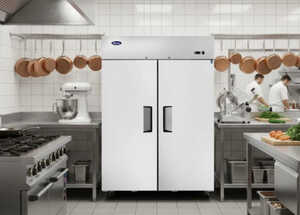
In a care environment, food safety isn’t just a regulatory requirement—it’s a core part of resident wellbeing. From storing fresh produce and medication to ensuring prepared meals remain safe, commercial refrigeration plays a central role in daily operations. Yet, many care homes unknowingly compromise efficiency, hygiene, and equipment lifespan due to incorrect machine specification or insufficient maintenance.
Here’s why choosing the right refrigeration—and looking after it properly—matters more than ever.
Why Refrigeration Choice Is Different in a Care Setting
Care homes face unique challenges compared with other commercial kitchens. Unlike restaurants that experience defined service peaks, care homes operate almost continuously: staff move in and out of refrigeration areas throughout the day, kitchens may run extended hours, and ambient temperatures can vary significantly.
This means refrigeration units must be:
- Robust enough for constant use
- Stable in fluctuating ambient temperatures
- Hygienic and easy to clean
- Energy‑efficient to control running costs
- Capable of delivering consistent temperatures for food safety
Why Routine Maintenance Is Essential
A care home’s refrigeration equipment works harder than most people realise. Constant door openings, warm food being loaded, and variable ambient temperatures all place strain on the system.
Routine maintenance offers significant benefits, including:
1. Improved Energy Efficiency
Dirty condensers, worn door seals, or blocked airflow all force the refrigeration system to work harder. A well‑maintained unit uses less electricity—important when energy bills form a major portion of a care home's operating costs.
2. Reduced Equipment Downtime
Unexpected breakdowns are disruptive and expensive. Regular maintenance extends the equipment’s lifespan and avoiding emergency callouts.
3. Guaranteed Food Safety Compliance
Temperature stability is critical in a care environment. Regular maintenance ensures refrigerators continue to cool correctly, keeping food out of the bacterial danger zone and supporting HACCP compliance.
4. Lower Total Cost of Ownership
Replacing a compressor or entire unit due to neglect is far more costly than scheduled maintenance. A well‑looked‑after fridge can last years longer.
How Maintenance Enhances Refrigeration Performance
Small interventions make a big difference:
- Checking door seals prevents cold air leakage and compressor overrun.
- Verifying calibrations ensures accurate temperature readings.
- Ensuring airflow inside the unit keeps products cool (if you can’t get your hand around the unit sides, top and bottom the air can’t either).
Together, these steps help the unit maintain stable internal temperatures even as the kitchen environment changes—critical in a care‑home setting where food safety and resident health come first.
The Importance of Specifying the Correct Climate Class
Every commercial refrigerator is designed to operate efficiently within a specific climate class—a rating that indicates the ambient temperature range the unit can handle while maintaining safe internal temperatures.
For example:
- Climate Class 3 (25°C ambient) – Suitable for cooler kitchen environments.
- Climate Class 4 (30°C ambient) – A standard choice for many commercial kitchens.
- Climate Class 5 (40°C ambient) – Required for hot, demanding environments.
In many care homes, kitchens frequently reach elevated temperatures—especially during busy meal periods. If a refrigerator with too low a climate class is installed, it may struggle to maintain food‑safe temperatures, and we are now seeing higher air temperatures some times exceeding 30°C outside. This leads to:
- Higher energy consumption
- Overworked compressors
- Shortened equipment lifespan
- Risk of food spoilage or non‑compliance
By selecting a fridge or freezer designed for the actual environment, care homes ensure reliability and significantly reduce running costs.
Conclusion: The Right Equipment + Proper Care = Long-Term Reliability & Saving Money
For care homes, commercial refrigeration isn’t just another appliance—it's a pillar of safety, efficiency, and resident health. By choosing equipment with the correct climate class and committing to routine maintenance, care homes can:
- Improve performance and efficiency
-
Reduce operating costs
- Ensure reliable temperature control
- Extend equipment lifespan
- Maintain the highest food‑safety standards
Investing in proper refrigeration and upkeep isn’t a luxury—it’s a necessity that pays dividends every single day.
Here at Gillmans Commercial, we work closely with market‑leading manufacturers such as Atosa, Liebherr and Tefcold ensuring our customers benefit from refrigeration equipment that delivers outstanding value, low running costs, and dependable day‑to‑day performance. These ranges are designed with efficiency, durability, and ease of maintenance in mind—qualities that align perfectly with the needs of busy care‑home kitchens. By partnering with trusted brands, we deliver appliances that not only perform brilliantly in demanding environments but also help care homes control energy costs and maximise long‑term reliability.
Posted by Michaela on March 17th 2026
 Updating page...